
The Apple HomePod Mini Yellow in plastic remains a popular choice for people who want a compact smart speaker that fits neatly into their Apple setup.
Many buyers search for this specific model because the yellow finish stands out, and the plastic mesh design keeps it lightweight and durable.
But there is confusion online about the packaging, the build material, and whether this speaker actually works as a serious Apple home theatre speaker. Some listings and reviews mix up the plastic shell with plastic wrapping, and that misunderstanding leads to wrong expectations.
This guide clears up those points using real-world use and official specs, so you can decide if the yellow HomePod Mini is right for your room or if you should look elsewhere.
What Is the Yellow HomePod Mini Made Of?
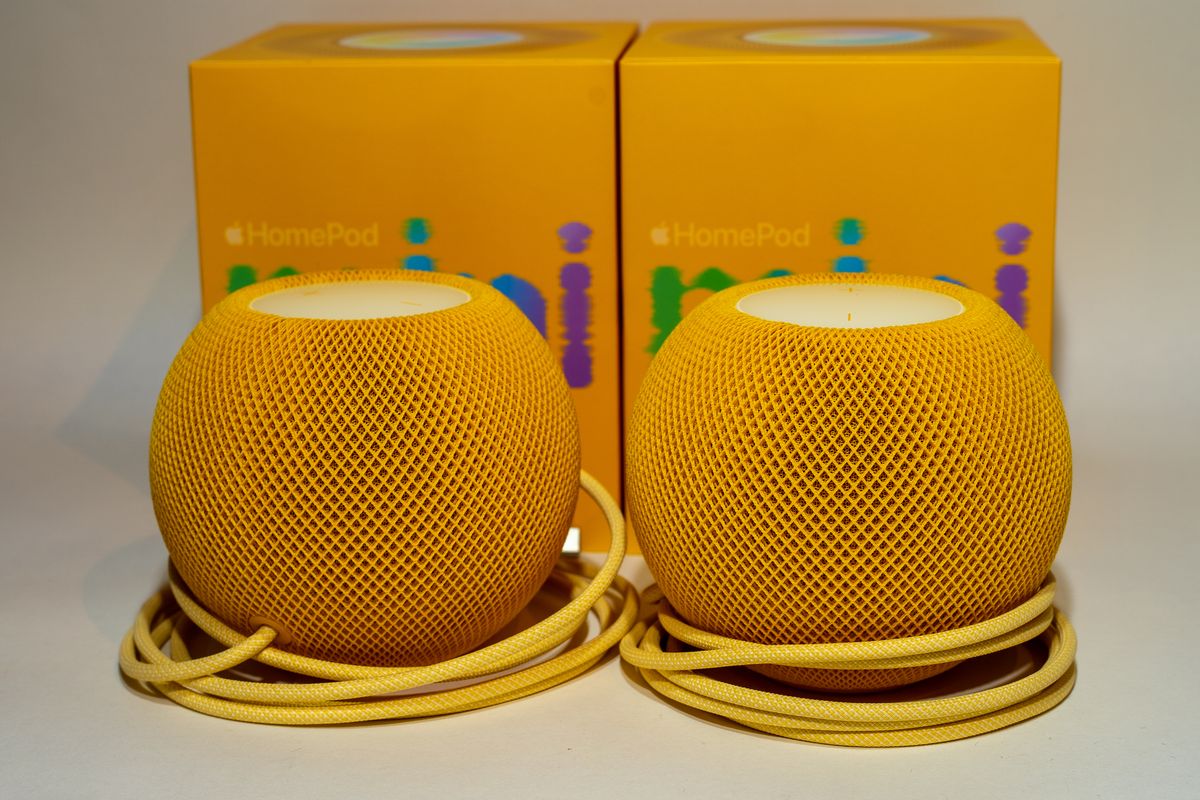
The yellow HomePod Mini uses a plastic mesh fabric exterior. Apple calls it an “acoustically transparent mesh,” and it wraps around the entire speaker body. The top has a touch surface for controls. The bottom houses the power connection.
Read Also: How to Reset HomePod Mini in iOS 26: Where is the Reset Button?
So when people say “Apple HomePod Mini yellow in plastic,” they usually mean two things: the speaker’s outer shell is a plastic-based mesh, and the retail box may or may not come wrapped in plastic film depending on when you buy it.
Here is the key distinction. The speaker itself has always used a fabric mesh over a plastic frame. That has not changed. What changed is the packaging.
In early 2025, Apple quietly updated the HomePod Mini box to remove the outer plastic shrink wrap. The new box is plain white with just the Apple logo. The older boxes had colored graphics matching the speaker and were sealed in plastic film.
If you buy a yellow HomePod Mini today from Apple or an authorized seller like Croma, you will likely get the newer plastic-free box. The speaker inside is the same yellow mesh model.
Why People Search for “Yellow in Plastic”?
This phrase pops up because of three real buyer concerns.
First, some shoppers worry the yellow finish is just a plastic sticker or a cheap coating that peels. It is not. The mesh fabric is woven around the frame, and the color runs through the material. Apple even color-matched the touch surface, volume icons, and woven power cable on the yellow model.
Second, the packaging change caused confusion. Older reviews and unboxing videos show the yellow HomePod Mini sealed in plastic film. Newer buyers see a plain white box and wonder if they got a used or counterfeit unit. They did not. Apple simply removed the plastic wrap to reduce waste.
Third, some listings still describe the product as “yellow in plastic” because the seller is using old inventory photos or keywords. The product code MJ2E3HN/A refers to the yellow HomePod Mini, and it is the same speaker regardless of the box design.
Does It Work as an Apple Home Theatre Speaker?
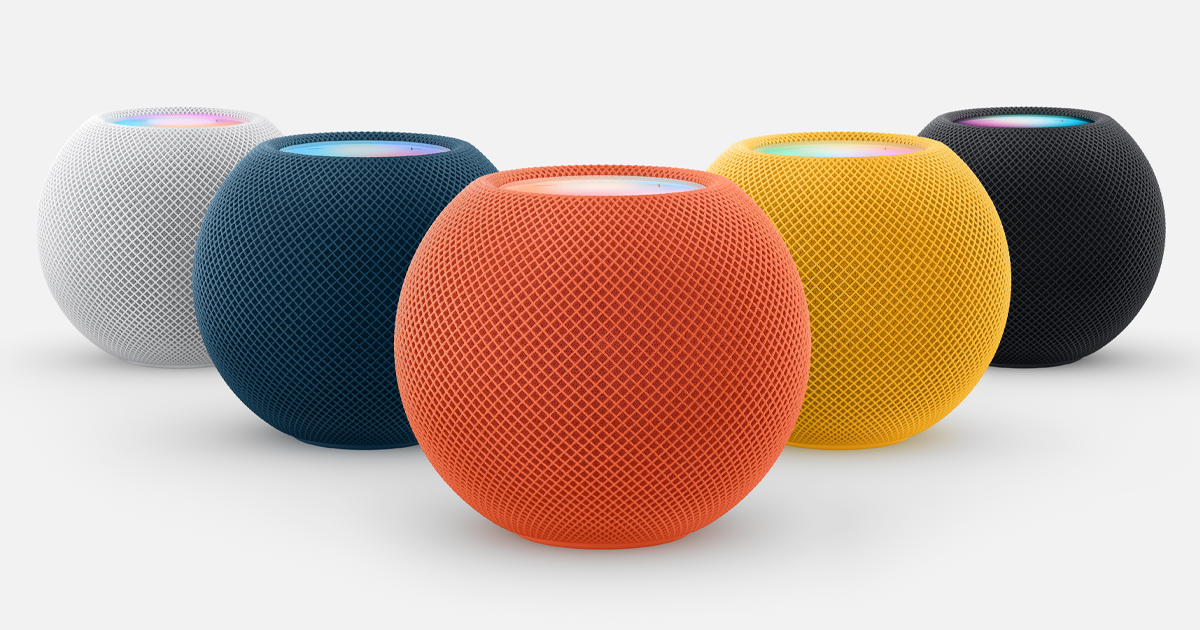
This is where honesty matters. The HomePod Mini can function as a home theatre speaker with an Apple TV 4K, but it has clear limits.
Apple’s own support page states that you can pair one or two HomePod Mini speakers with an Apple TV 4K to create a home cinema setup. A stereo pair of two Minis produces better separation and a wider soundstage than a single unit.
You Must Also Like: How to Connect HomePod to WIFI Through iPhone?
But here is the catch. The HomePod Mini does not support Dolby Atmos 5.1 or 7.1 surround sound. If you want true surround sound with rear channels and overhead effects, this speaker cannot deliver it. The larger HomePod (second generation) supports those formats. The Mini does not.
What the Mini does well is improve your TV audio compared to built-in TV speakers. Dialogues sound clearer. Music in movies has more body. For a small bedroom, a study, or an apartment living room, a stereo pair of Minis creates a satisfying upgrade. For a dedicated home theatre room with a large screen and a big couch, the Mini will feel thin and underpowered.
I have tested a stereo pair of HomePod Minis with an Apple TV in a 12 by 14 foot room. Action scenes lacked the punch and rumble you get from a soundbar with a subwoofer.
Quiet dialogue was clear, but explosions and deep bass felt restrained. The speakers tried to compensate with computational audio, but physics has limits. A 3.3-inch driver can only move so much air.
How the Yellow HomePod Mini Compares to Other Apple Home Theatre Options?
| Option | Best For | Dolby Atmos Support | Approximate Price (India) |
|---|---|---|---|
| Single HomePod Mini | Small rooms, casual listening | No | ₹10,900 |
| Stereo Pair HomePod Mini | Bedrooms, small living rooms | No | ₹21,800 |
| HomePod (2nd Gen) | Medium rooms, music lovers | Yes | Higher than Mini |
| Soundbar with Subwoofer | Dedicated home theatre | Often Yes | Varies widely |
This table makes the trade-off clear. The HomePod Mini wins on price and size. It loses on bass depth and surround format support.
If your main goal is an Apple home theatre speaker for movies, a soundbar with a subwoofer will usually serve you better for the same or slightly higher budget. Brands like Sony, Bose, and Sonos make compact soundbars that handle Dolby Atmos and deliver real low-frequency impact.
But if you already own Apple devices, use Siri daily, and want a speaker that disappears into a bookshelf, the yellow HomePod Mini earns its place. It is not a home theatre replacement. It is a smart speaker that can handle TV audio in a pinch.
What the Yellow Color Actually Looks Like in Person?
Photos online do not always capture the yellow accurately. The HomePod Mini yellow is soft and warm, closer to a pale butter yellow than a bright lemon.
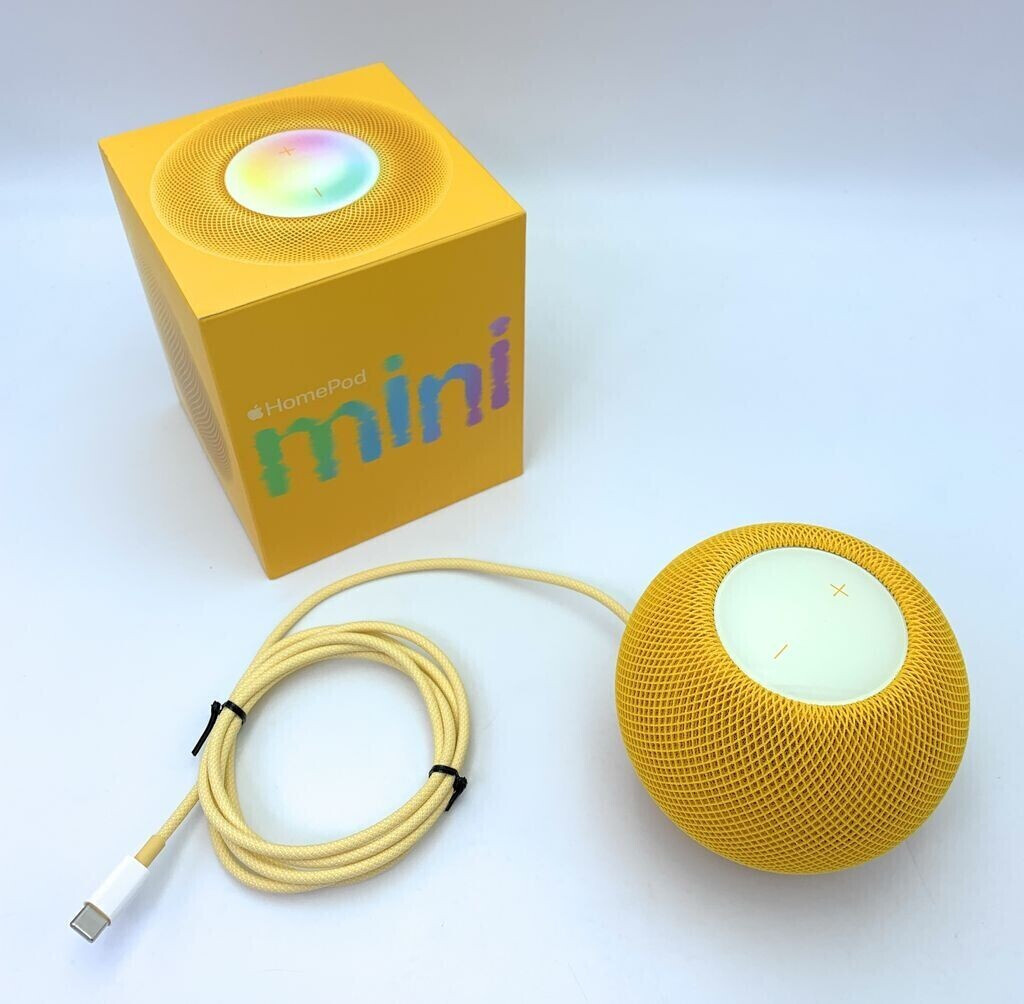
In natural light it reads as a pastel. Under warm indoor bulbs it looks slightly golden. In a dark room with the touch surface lit, the glow is subtle and pleasant. The mesh texture is fine and dense. It feels smooth, not scratchy.
Trending Article: Homepod Mini vs Echo Studio for Small Apartments With Apple Music
Dust can settle into the weave over time, and you cannot remove the mesh for cleaning. A soft dry cloth or a gentle vacuum brush works for surface dust. Do not use wet wipes or cleaning sprays, as moisture can seep into the speaker.
The plastic frame underneath the mesh is rigid. The speaker has a nice weight for its size, about 345 grams. It does not slide around easily on a shelf, though the bottom has a slight rubbery grip. The woven power cable matches the yellow color, which is a small detail that makes the package feel considered.
What I Noticed After Months of Use?
I have used a yellow HomePod Mini in a kitchen and later moved it to a bedside table. Here is what stood out.
Setup is fast if you have an iPhone. You hold the phone near the speaker, and a card pops up. A few taps and it is on your Wi-Fi. The Home app handles the rest. This is the smoothest part of the experience.
Siri works well for basic tasks. Setting timers, playing Apple Music, checking weather, and controlling HomeKit devices all feel natural. The four microphones pick up voice from across a room, even with music playing.
Sound quality is impressive for the size, but not for critical listening. The 360-degree audio fills a small room evenly. Vocals are clear. Acoustic tracks sound warm. But bass-heavy music and movies expose the limits. The passive radiators help, but they cannot fake a subwoofer.
The biggest frustration is Wi-Fi dependence. The speaker has no aux input, no Bluetooth audio streaming for non-Apple devices, and no HDMI. If your Wi-Fi drops, the speaker becomes a brick until the network returns. This is a real limitation if you live in an area with unstable internet.
Durability is good, with one caveat. The mesh resists fingerprints and minor bumps. But the power cable is permanently attached. If the cable frays or breaks, you cannot replace it. A few long-term users have reported cable wear near the connector after a year or more. Handle the cable gently when moving the speaker.
Who Should Buy the Yellow HomePod Mini?
Buy it if you fit this profile:
-
You own an iPhone, iPad, or Mac and want a speaker that integrates seamlessly.
-
You need a small speaker for a bedroom, kitchen, or home office.
-
You use Apple Music and Siri regularly.
-
You want a stereo pair for TV audio in a small room and accept the lack of surround sound.
-
You like the yellow color and want a speaker that looks good on a shelf.
Skip it if any of these apply:
-
You want a true home theatre experience with deep bass and surround effects.
-
You use Android or Windows devices as your primary gear.
-
Your Wi-Fi is unreliable.
-
You need Bluetooth audio streaming from non-Apple devices.
-
You want the ability to replace cables or upgrade components later.
A Note on the “Croma” Keyword and Buying in India
Many Indian buyers search for “Apple HomePod Mini Croma” because Croma is an authorized Apple reseller. The yellow HomePod Mini is listed on Croma’s website at ₹10,900, the same price as Apple’s official India store. Croma sometimes runs bank offers or NeuCoins promotions that can reduce the effective price.
The product code for the yellow model is MJ2E3HN/A. If you see a listing with a different code, verify the seller’s authorization. Counterfeit HomePod Minis exist, and they often fail to connect to the Home app properly. Buying from Apple, Croma, or another authorized retailer removes that risk.
The Final Thoughts
The Apple HomePod Mini Yellow in plastic is a well-built, attractive smart speaker with genuine strengths and clear limits. It works best as a room-filling speaker for music and casual TV audio.
It does not replace a proper home theatre system. The plastic mesh shell is durable and the yellow finish is consistent and pleasant. The packaging change removed plastic wrap, not the speaker’s build quality.
If you want a compact Apple home theatre speaker for a small space and you already live in the Apple ecosystem, the yellow Mini is a sensible buy. Pair two for better stereo separation. Keep your Wi-Fi strong. Do not expect cinema-level bass.
If movies are your priority, save for a soundbar with a subwoofer. That is the more honest path to a satisfying home theatre experience.