
I've been testing the AirPods Pro 3 heart rate feature for the past few weeks. I'm not a professional athlete. Just a regular guy who runs three times a week and lifts weights twice. I wanted to see if this thing actually works or if it's just another gimmick.
I've worn the AirPods Pro 3 for three weeks now. Running, lifting, cycling. I wanted to know if that tiny heart rate sensor in my ear actually works. Here's what I discovered.
The Short Answer
Yes, it works. Surprisingly well, actually.
Independent tests show it's the second most accurate consumer heart rate monitor out there. Only the Apple Watch beats it. And only by a tiny margin.
Read Also: How to Enable Dolby Atmos on Apple Music Android? A Complete Guide
But here's what the marketing won't tell you: it only works during workouts. No all-day tracking. No sleep monitoring. Just exercise.
What Exactly Is the AirPods Pro 3 Heart Rate Feature?
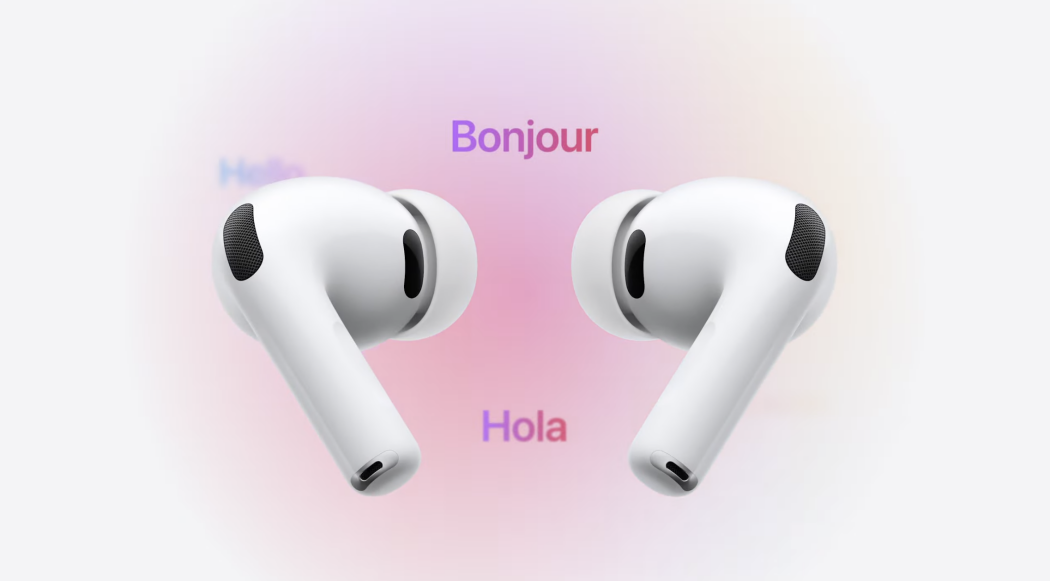
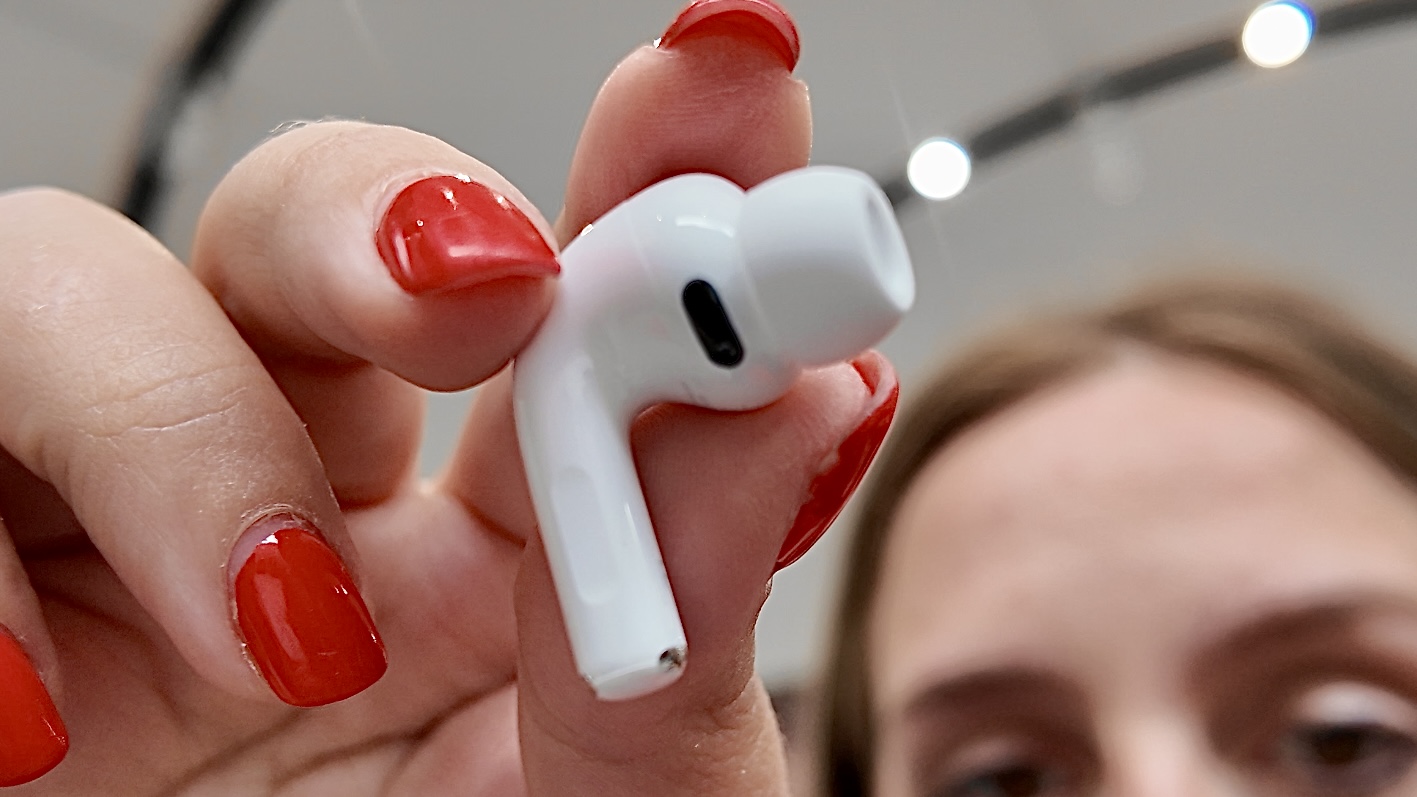
Apple added a heart rate sensor to the AirPods Pro 3. It's the first time any AirPods model has included this. The sensor sits inside the earbud, right next to your ear canal.
It uses infrared light. The sensor pulses light 256 times per second to measure blood flow changes in your ear. Your ear has thin skin and lots of blood vessels close to the surface. That makes it a good spot for this kind of reading.
Apple says this is the smallest heart rate sensor they've ever made. It tracks your heart rate during workouts and syncs the data to your iPhone.
What it tracks:
-
Heart rate during exercise
-
Calories burned
-
Activity across over 50 workout types
What it doesn't track:
-
All-day heart rate (only during workouts)
-
Sleep tracking
-
Blood oxygen
-
ECG or irregular rhythm detection
When Did These Drop?
September 2025. Apple announced them alongside the iPhone 17 and Apple Watch Series 11.
Standard version: $249 / £219. Released September 2025.
Special edition: They released a "Year of the Horse" version in January 2026. Same sensor. Different packaging. Some design changes on the charging case.
Rumors: Apple might release an even more advanced AirPods Pro later in 2026. Infrared cameras. Gesture control. That's separate from this model.
How Accurate Is the AirPods Pro 3 Heart Rate Sensor?
This is the question everyone asks. I asked it too.
Independent tests show the AirPods Pro 3 heart rate monitoring is surprisingly accurate. CNET Labs tested it against a medical-grade Polar H10 chest strap. The chest strap reads electrical signals directly from your heart. It's the gold standard for consumer heart rate tracking.
The results:
| Device | Average Error Rate | Average Heart Rate Difference |
|---|---|---|
| Apple Watch Series 11 | 0.63% | 0.89 BPM |
| AirPods Pro 3 | 1.23% | 2.02 BPM |
| Garmin Venu 4 | 3.89% | 5.54 BPM |
| Google Pixel Watch 4 | 5.64% | 8.68 BPM |
| Samsung Galaxy Watch 8 | 6.66% | 10.51 BPM |
Source: CNET Labs, June 2026
The AirPods Pro 3 came in second place. They beat every non-Apple wearable in the test.
A peer-reviewed study published in PLOS Digital Health in April 2026 tested 40 healthy adults. They collected 16,735 paired heart rate readings. The study found an average error of about 2.02%.
My personal experience: I wore the AirPods Pro 3 alongside my Apple Watch for a week of runs. The readings were close. Not identical, but close enough that I trusted them. On a steady 5K run, the difference was usually 2-3 beats per minute. During interval training, the gap widened a bit. But it never felt wildly off.
Where the Accuracy Breaks Down?
Here's what the test results don't tell you.
The average error looks good. But individual readings can vary more. The PLOS study found that 95% of readings fell within a range of about -10 to +10 beats per minute.
High-intensity intervals are tricky. The PLOS study noted that moment-to-moment consistency drops during vigorous exercise. The overall average stays accurate. But if you're trying to hit a specific heart rate zone during a sprint, the live reading might lag.
How to Check Heart Rate With AirPods Pro 3?
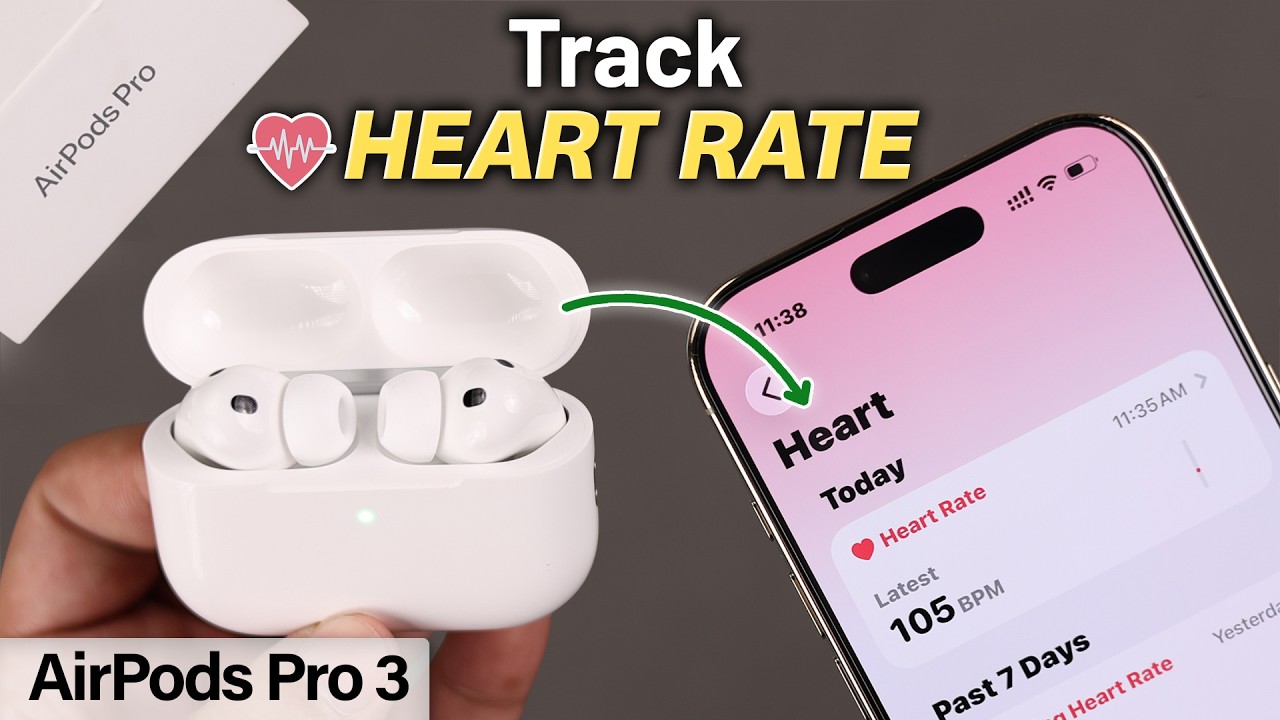
Setting this up is straightforward. Here's what I did.
Step 1: Put at least one AirPod Pro 3 in your ear. Make sure it's connected to your iPhone.
Step 2: Go to Settings on your iPhone. Tap the name of your AirPods at the top of the screen.
Step 3: Scroll down to the Privacy section. Find Heart Rate. Toggle it on.
Step 4: Open the Fitness app on your iPhone. Tap the Workout tab. Start your workout.
Your heart rate will appear on screen during the workout. You can also see it in the Health app afterward.
Third-party apps: Strava added support for AirPods Pro 3 heart rate tracking in mid-2026. Other fitness apps can also read the data once you give permission.
You Must Also Like: What Are the Best Noise Cancelling Earbuds In 2026?
If you have an Apple Watch: Both devices work together. The system picks the strongest signal automatically. In most cases, that will be the Apple Watch. But the AirPods provide a backup if you forget your watch or want ear-based readings.
Who Should Buy AirPods Pro 3 for Heart Rate Tracking?
Buy them if:
-
You already want premium wireless earbuds with great noise cancellation
-
You exercise regularly and want heart rate data without wearing a watch
-
You run or cycle outdoors and prefer not to wear a smartwatch
-
You use Apple Fitness+ (the integration is seamless)
-
You want accurate heart rate tracking for steady-state cardio like jogging or cycling
Skip them if:
-
You need all-day heart rate tracking (these only work during workouts)
-
You do high-intensity interval training and need precise moment-to-moment readings
-
You have a heart condition and need medical-grade monitoring
-
You already own an Apple Watch and don't care about ear-based tracking
-
You want sleep tracking or recovery data
AirPods Pro 3 Heart Rate vs Apple Watch
| Feature | AirPods Pro 3 | Apple Watch Series 11 |
|---|---|---|
| Heart rate during workouts | Yes | Yes |
| All-day heart rate | No | Yes |
| ECG | No | Yes |
| Irregular rhythm notifications | No | Yes |
| Sleep tracking | No | Yes |
| Price | $249 | $399+ |
| Accuracy | 1.23% error | 0.63% error |
The accuracy gap between the two is small. The AirPods Pro 3 costs about $150 less. For many people, that trade-off makes sense.
What the AirPods Pro 3 Heart Rate Feature Does Not Do?
I need to be clear about this.
The AirPods Pro 3 are not medical devices. Apple hasn't sought FDA clearance for the heart rate feature. The FDA-recognized hearing aid feature is different. That's been cleared. The heart rate sensor hasn't.
What you can't do:
-
Detect irregular heart rhythms
-
Replace a chest strap for precise zone training
-
Track heart rate continuously throughout the day
-
Monitor blood oxygen levels
-
Get clinical-grade readings
What you can do:
-
Track your heart rate during workouts
-
See calories burned
-
View trends in the Health app
-
Get reasonably accurate readings for steady-state exercise
My Honest Experience After Three Weeks
I went into this skeptical. I've used optical heart rate sensors before. They're usually fine for casual use but fall apart during intense exercise. The AirPods Pro 3 surprised me.
On my morning runs, the readings stayed consistent with my Apple Watch. During weightlifting, they worked well too. The earbuds stayed in place. The sensor didn't lose connection.
What I liked:
-
No wrist strap needed. I could run without a watch.
-
The readings were smooth. No sudden jumps or drops.
-
The Fitness app integration made it easy to see my data.
What I didn't like:
-
The sensor only works during active workouts. I wanted to see my resting heart rate too.
-
High-intensity intervals showed more variation.
-
You need a good ear tip fit. Loose tips mean bad readings.
One thing I noticed: The sensor works best when you're not moving your head too much. Running is fine. Jumping rope caused some dropouts. The sensor needs stable contact with your ear canal.
Final Thoughts
The AirPods Pro 3 heart rate feature is legit. It's not a gimmick. Independent tests prove it works. Real-world use confirms it. But it has limits. It's not a medical device. It's not a replacement for a chest strap if you need precise data. It's not an all-day tracker.
What it is: a solid heart rate monitor built into excellent earbuds. If you're already buying AirPods Pro 3 for the sound quality and noise cancellation, the heart rate sensor is a valuable bonus. If you're buying them just for heart rate tracking, consider your needs carefully.
The accuracy is there. The convenience is there. The price is reasonable for what you get. Just don't expect it to replace your Apple Watch or your doctor.