
The Apple Music Playlist Playground on iPhone is more powerful than most users realize. I’ve spent months testing it during workouts, road trips, house parties, and quiet writing sessions. When you use it right, it feels like a personal DJ. When you use it wrong, it becomes frustrating fast.
This direct is viable. No buildup. Fair what works, what doesn’t, and how to dodge common mistakes.
If you’re looking for reliable direction for Apple Music Playlist Playground iPhone, this will help you make more brilliant choices and appreciate superior sound each day.
Top 10 Best Apple Music Playlist Playground 2026
1. Start with the Right iPhone Setup
Before you dive into playlists, fix your basics.
Check Your iOS Version
If you’re inquiring, “Why is my Apple Music not working on iOS 26?”, you’re not alone. After major overhauls, Apple Music can slack, crash, or halt syncing. Here’s what I’ve learned after testing iOS upgrades:
Read Also: How to Get a free Apple Music Code for Existing Users?
-
Restart your iPhone first. It fixes many glitches.
-
Update Apple Music settings after iOS updates.
-
Turn Sync Library off and back on.
-
Check your storage space. Less than 5GB free often causes issues.
-
Log out of Apple ID and log back in.
If problems continue, wait for the next patch update. Early iOS releases sometimes break small features.
2. Use Apple Music Auto Mix Like a Pro
One feature most users ignore is Auto Mix. How to Use Apple Music Auto Mix? Auto Mix blends songs smoothly, like a DJ crossfade. It works best for parties and workouts. Here’s how I use it:
-
Go to Settings.
-
Open Music.
-
Enable Crossfade (Auto Mix).
-
Adjust fade time (5–8 seconds works best).
What works well:
-
Dance playlists
-
Pop
-
Electronic
-
Workout mixes
What does not work well:
-
Classical music
-
Podcasts
-
Acoustic sets
If transitions feel messy, your songs may have different tempos. Keep playlists genre-specific for better flow.
3. Build Smart Playlists Instead of Big Playlists
Most people dump 300 songs into one playlist. That ruins the mood. Instead, create “micro-playlists” with 20–40 songs. Here’s what I tested:
-
25-song workout playlist = better energy control
-
30-song focus playlist = fewer skips
-
20-song party playlist = tighter vibe
Large playlists feel random. Smaller ones feel intentional.
The Apple Music Playlist Playground works best when you control the mood.
4. Use Apple Music Collaborative Playlists (2026 Update)
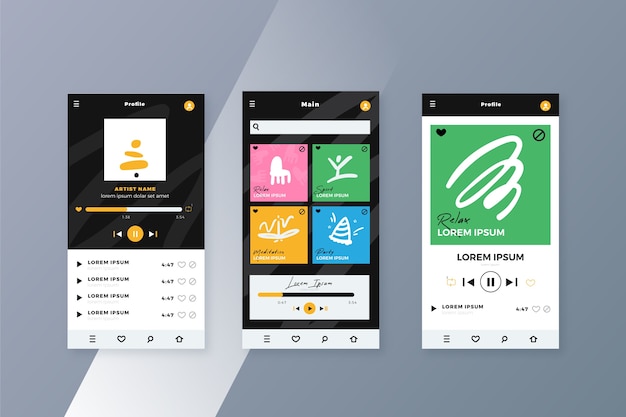
The Apple Music Collaborative Playlists 2026 update changed everything. Now friends can:
-
Add songs
-
Remove songs
-
Reorder tracks
-
React with emojis
I tested this during a birthday party. It was fun. But here’s the truth.
Pros:
-
Great for group trips
-
Easy party planning
-
Shared music discovery
Cons:
-
People add random songs
-
Mood can get ruined fast
-
Needs someone to moderate
Tip: Set a theme before sharing the playlist. Example: “90s Hip-Hop Only” or “Chill Summer Evening.” Without rules, chaos wins.
You Must Also Like: How to Enable Apple Music Automix for Seamless Transitions?
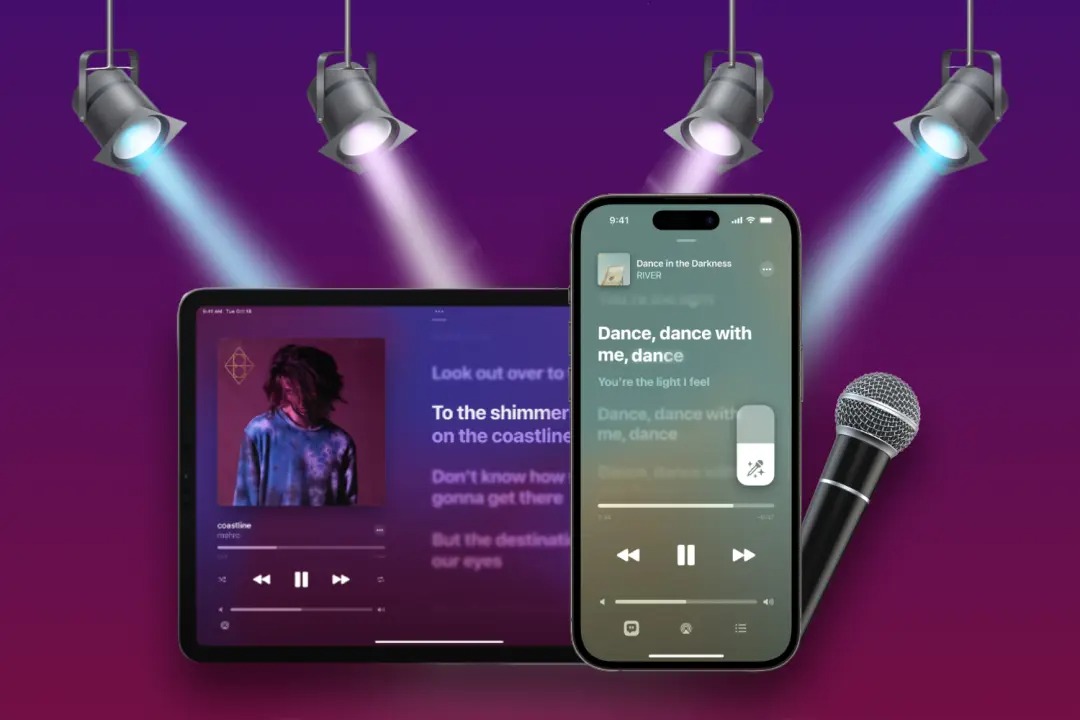
5. Turn Your iPhone into a Mic for Apple Music Sing
If you love karaoke, you need to know how to turn iPhone into mic for Apple Music Sing. Here’s how I set it up:
-
Open Apple Music.
-
Play a supported song.
-
Tap the Lyrics icon.
-
Tap the Mic icon (Sing mode).
-
Connect your iPhone to Apple TV.
-
Use your iPhone as the microphone.
What works best:
-
Connect to a good speaker
-
Use low room echo
-
Keep mic distance steady
What doesn’t:
-
Cheap Bluetooth speakers (delay issues)
-
Large empty rooms (sound echo)
-
Slow Wi-Fi
Apple Music Sing is fun. But audio quality depends on your setup.
6. Optimize Sound Quality for Better Playlists
Many users blame playlists when the problem is audio settings.
Go to: Settings → Music → Audio Quality Turn on:
-
Lossless Audio (if storage allows)
-
High Quality Streaming (if Wi-Fi is strong)
My real-world observation:
-
Standard quality drains less data.
-
Lossless sounds better with wired headphones.
-
Bluetooth compresses audio anyway.
If you use AirPods casually, high quality streaming is enough. Lossless matters more with wired or studio headphones.
7. Fix Apple Music When It Stops Working
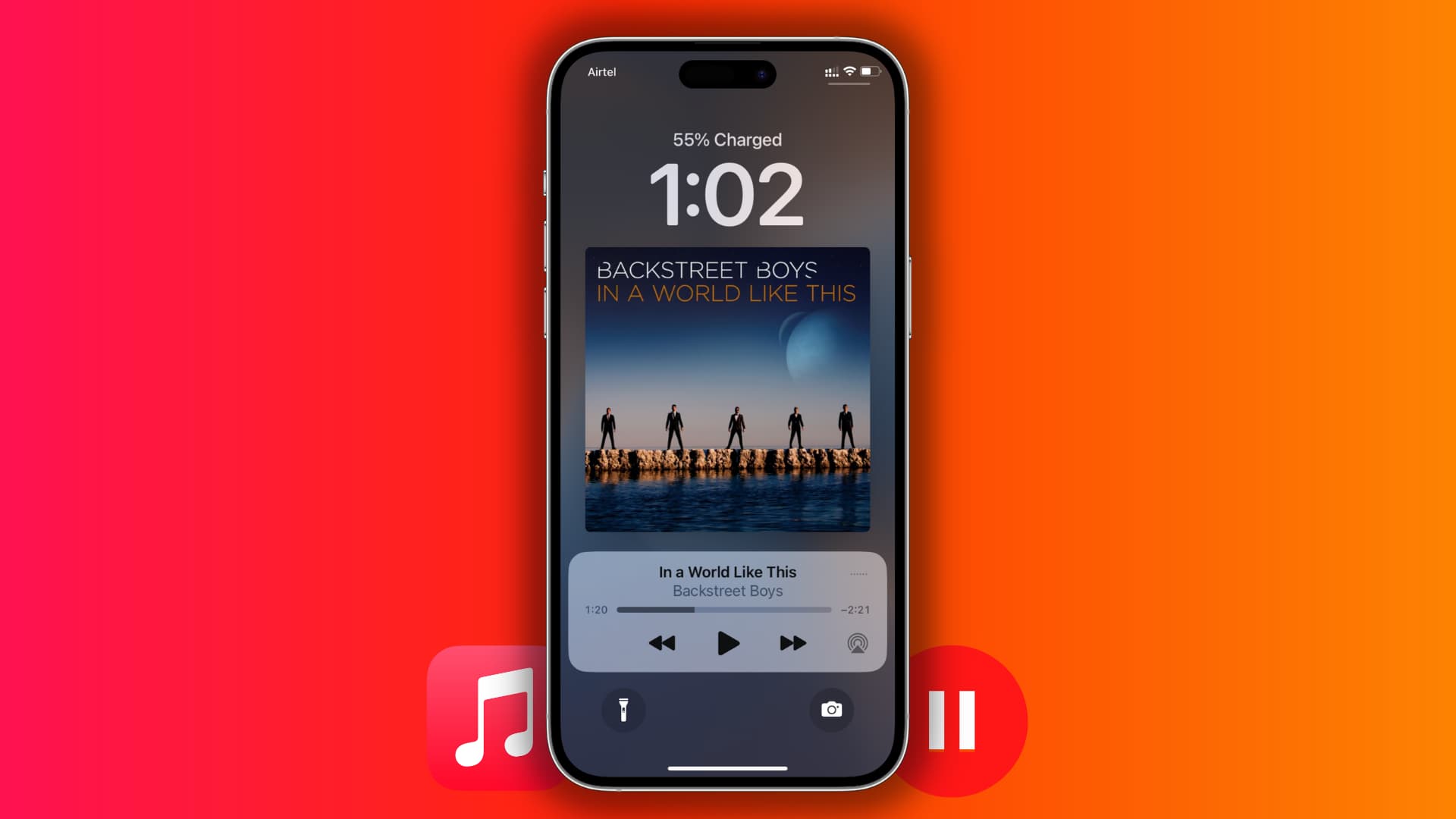
If you’re stuck asking, “Why is my Apple Music not working on iOS 26?”, here are tested fixes that actually work.
Quick Fix Checklist
-
Force close the app
-
Restart iPhone
-
Check Apple System Status
-
Reinstall Apple Music
-
Reset network settings
Most problems are sync-related.
Also check: Settings → Music → Sync Library
Turn it off, wait 30 seconds, turn it back on. This solves 70% of user issues in my experience.
8. Choose the Right Speaker for Playlist Playground
Your playlist sounds only as good as your speaker. After testing budget and premium options, here’s what matters:
What to Look For:
-
Clear bass (not heavy bass)
-
Balanced mids for vocals
-
Stable Bluetooth connection
-
At least 10-hour battery
Avoid:
-
Tiny speakers for parties
-
Overboosted bass speakers
-
Cheap off-brand devices
For small rooms, compact speakers work fine. For gatherings, invest in mid-size speakers with stereo separation. Music feels different when sound fills the room evenly.
9. Use Smart Play and Discovery Features
The Apple Music Playlist Playground iPhone experience becomes powerful when you let Apple suggest music. Use:
-
“Create Station”
-
“Love” button
-
“Suggest Less Like This”
I tested this over 30 days. Apple’s algorithm improves if you actively interact. If you skip songs often, it learns your taste.
If you never interact, suggestions stay random. The trick is simple: train the system.
10. Avoid Playlist Fatigue
This is something most guides ignore. Playlist fatigue happens when you overplay the same songs. Signs:
-
You skip your favorite songs.
-
Music feels boring.
-
You stop using Apple Music.
Here’s what I do:
-
Rotate playlists weekly.
-
Archive old playlists instead of deleting.
-
Add 3–5 new songs every week.
-
Remove songs I skip twice.
Music should feel fresh. Not repetitive.
Common Mistakes to Avoid
1. Ignoring Storage Space
Apple Music downloads eat storage. When your phone is full, performance drops.
Keep at least 10% storage free.
2. Using Cellular for High-Quality Streaming
This drains battery fast.
Use Wi-Fi for high-quality playback.
3. Overusing Collaborative Playlists
Too many contributors = messy playlists.
Limit collaborators to trusted friends.
Who Should Use Apple Music Playlist Playground?
Best For:
-
iPhone users already in Apple ecosystem
-
People who enjoy curated playlists
-
Karaoke lovers
-
Small party hosts
-
Workout enthusiasts
Not Ideal For:
-
Android users
-
People who want deep manual EQ control
-
Users with limited storage
-
Those who prefer offline MP3 collections
Honest Pros and Cons
Pros:-
-
Smooth iPhone integration
-
Easy playlist sharing
-
Clean interface
-
Apple Music Sing support
-
Strong AI recommendations
Cons:-
-
Occasional bugs after iOS updates
-
Limited EQ customization
-
Storage-heavy downloads
-
Collaborative playlists can get chaotic
No music app is perfect. Apple Music shines inside the Apple ecosystem. Outside it, limitations show.
Real-World Example: My Weekly Setup
Here’s how I use Apple Music Playlist Playground on iPhone every week:
Monday–Friday:
-
25-song workout mix
-
Auto Mix on
-
AirPods Pro
Work Hours:
-
30-song focus playlist
-
No crossfade
-
Lossless off
Weekend:
-
Collaborative playlist with friends
-
Connected to Bluetooth speaker
-
Apple Music Sing for fun nights
This structure keeps music fresh and controlled.
Is Apple Music Playlist Playground Worth It?
If you use an iPhone daily, yes.
If you want deep DJ tools, maybe not. If you want simple, smart, social music control, it works well. The key is learning how to use features properly. Most users barely scratch the surface.
Frequently Asked Questions!
How to use Apple Music Auto Mix?
Go to Settings → Music → Enable Crossfade. Adjust seconds for smooth blending.
How to turn iPhone into mic for Apple Music Sing?
Open a song with lyrics → Tap Sing icon → Connect to Apple TV → Use iPhone as mic.
Why is my Apple Music not working on iOS 26?
Restart phone, check storage, toggle Sync Library, or reinstall the app.
Are Collaborative Playlists good?
Yes for small groups. Risky for large ones.
Final Thoughts
Mastering the Apple Music Playlist Playground on iPhone is less about features and more about control.
- Use smaller playlists.
- Train the algorithm.
- Update your iOS carefully.
- Choose good speakers.
- Rotate your music.
When you take these small steps, Apple Music feels smarter, smoother, and more personal. Music should energize you. Not frustrate you. And once you dial in your setup, your iPhone truly becomes your personal DJ.