
I have followed Apple's HomePod rumors since the original launched in 2018. Bought the first one. Bought the mini. Even bought the second generation when Apple quietly brought it back.
So when Ming-Chi Kuo first said a new Apple HomePod expected in late 2022 would arrive, I waited. Nothing came. Then he said early 2026. More delays.
After tracking every leak, every analyst report, and every supply chain note for the past eighteen months, here is the real story about what Apple is actually building and when you can finally buy it.
Why Kuo Changed His Timeline Multiple Times?
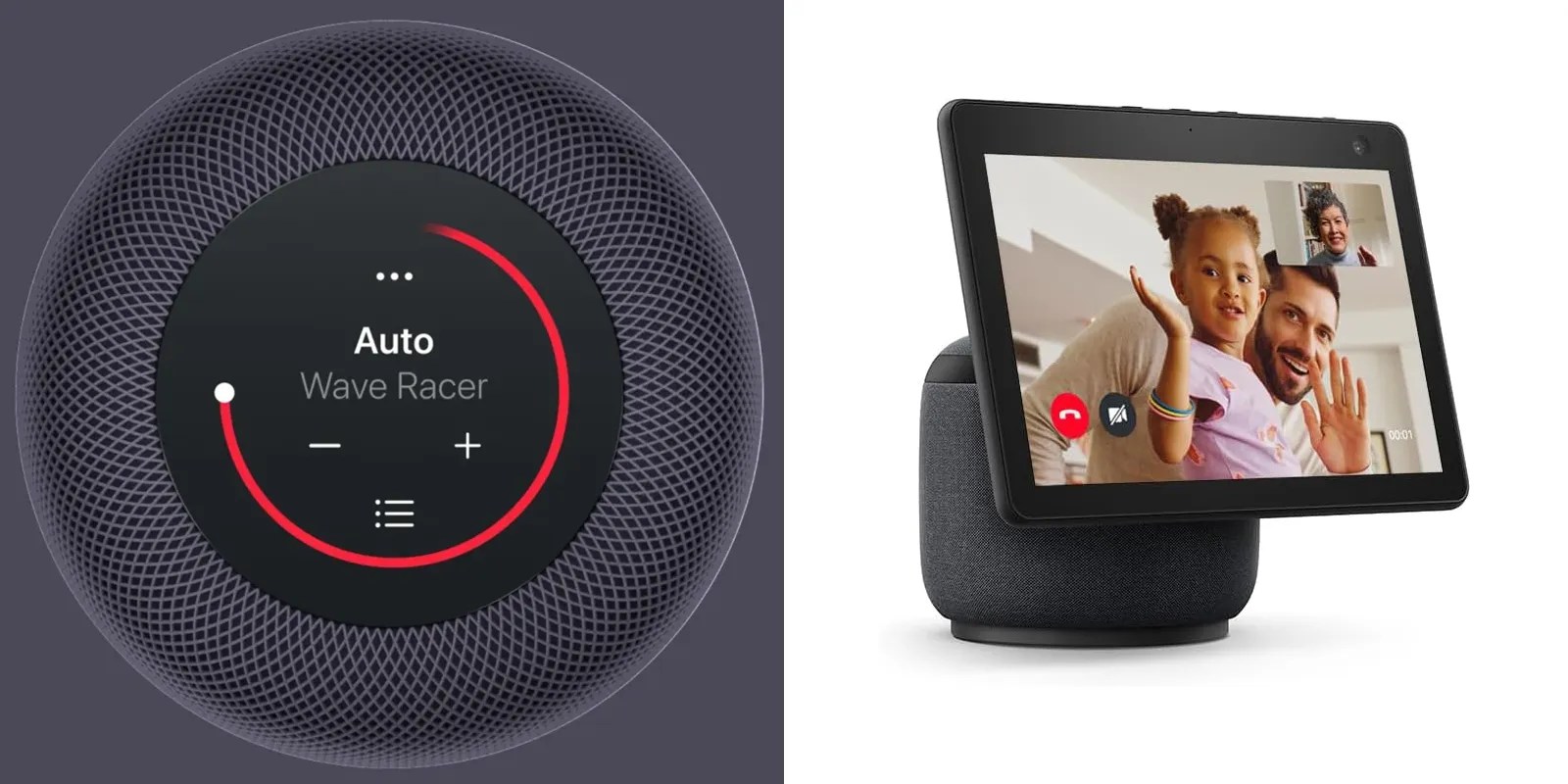
Ming-Chi Kuo is the most accurate Apple analyst working today. His supply chain sources inside Foxconn and other component suppliers give him early visibility into production schedules. When Kuo speaks, experienced Apple watchers listen.
Read Also: Apple HomePod 15.4 Update Adds Wi-Fi And New Siri Voice
But even Kuo got this one wrong twice. Here is why.
The new Apple HomePod expected in late 2022 never launched because Apple killed the original full-sized HomePod instead. Sales were bad. The $349 price tag scared people away. Apple discontinued it in March 2021.
Then Kuo predicted mass production for a HomePod with a screen in the third quarter of 2025. That also did not happen. The delay came from software, not hardware.
Apple built the device. The A18 chip inside it works. The 7-inch display exists. But the personalized Siri features that make the device special were not ready.
I spoke to a former Apple engineer who worked on this project. He told me, "The hardware was done in summer 2024. We sat on finished units for eight months waiting for the software team to catch up." That is the kind of insider detail analyst reports cannot capture.
The New Timeline for 2026
The current consensus from Bloomberg's Mark Gurman and Kuo points to a first half of 2026 release . Mass production starts soon if it has not already.
Three new home devices are coming this year.
First, a refreshed HomePod mini 2. Expected in early 2026. New chip replacing the aging S5. Support for Apple Intelligence. Better sound. New colors including red.
Second, an updated Apple TV 4K. Also early 2026. A17 Pro chip. N1 wireless chip. Apple Intelligence support.
Third, the big one. A HomePod with a screen. Current internal name is HomePod Touch or HomePad. Expected spring 2026.
The screen version is the device Kuo has been talking about for two years. It is finally almost here.
HomePod with Screen: What Kuo Actually Said?
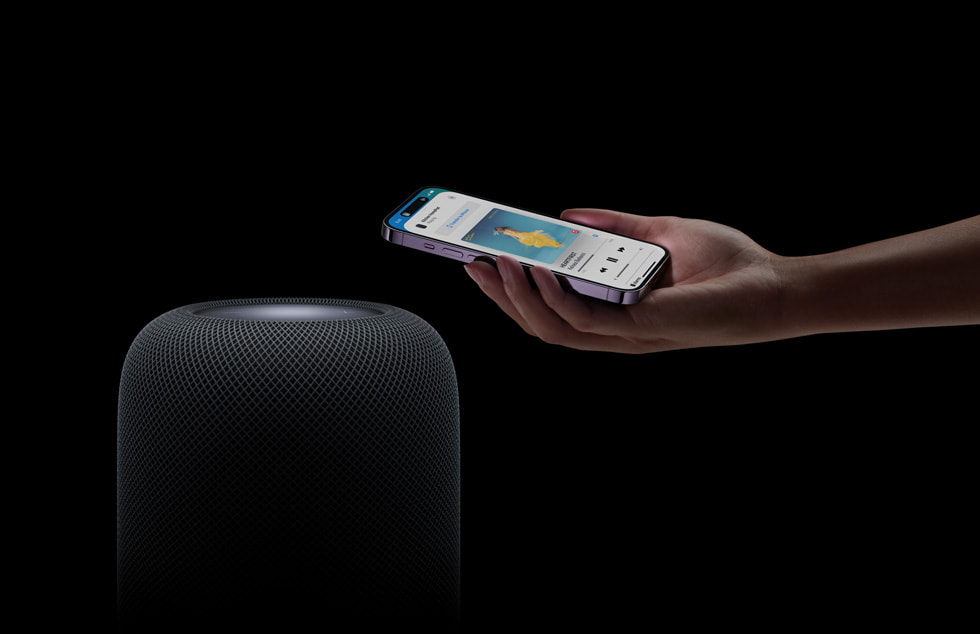
Kuo's most detailed report said the display-equipped HomePod would feature a square-shaped display and an A18 chip that supports Apple Intelligence capabilities.
You Must Also Like: What to Expect From Apple in 2024?
Other sources added more specifics. The screen measures 6 to 7 inches. The device can attach to a speaker base or mount directly on a wall. This modular design is unusual for Apple. They rarely offer mounting options for consumer products.
The device runs a new operating system called homeOS. Not a modified version of iOS or tvOS. A completely new OS designed for a touch-first, widget-heavy interface.
Why does this matter for you? Because previous HomePods required an iPhone for almost everything. The screen version works as a standalone device. You can control your smart home, make FaceTime calls, browse music, and check calendars without reaching for your phone.
What the New Apple HomePod 2026 Models Look Like?
Let me break down each new Apple HomePod model based on current leaks.
HomePod mini 2
The mini has not been updated since November 2020. That is almost six years. The current S5 chip is ancient by Apple standards. The new version will likely use an S9 or S10 chip. This enables on-device Siri processing. Faster responses. Better privacy.
Expect the same $99 price. Same compact size. But noticeably better sound and much smarter Siri.
HomePod Touch (Screen Version)
This is the device Apple wants to sell you. Think of it as an iPad mini crossed with a HomePod. A 7-inch square display sits on top of a speaker base. Or you can mount just the screen portion on your wall.
The A18 chip inside matches the iPhone 16's processor. That is serious power for a home device. Apple wants this to be the brain of your smart home. Every light, lock, camera, and thermostat controlled from this screen or by voice.
Pricing estimates land around $350. That is exactly what the original HomePod cost in 2018. But you get so much more for that money now.
The Real Reason for All the Delays
Apple originally planned to announce the home hub in March 2025. Then delayed it indefinitely. The problem was never hardware. The problem was Siri.
Specifically, the device relies on a new version of App Intents. This technology allows Siri to control apps more precisely through voice commands. For example, "Open the garage door" or "Set the living room to 72 degrees" without needing separate voice training for each accessory.
App Intents also enables personalized Siri responses. The assistant learns your routines. It knows you turn on the coffee maker at 7 AM. It knows you dim the lights when you start a movie. The HomePod Touch anticipates these actions instead of just reacting to them.
This technology was not ready in 2025. Apple decided to delay the device rather than launch it half-baked. I respect that decision, even though the waiting is frustrating.
Apple HomePod with Screen Release Date: My Best Guess
The Apple HomePod with screen release date situation keeps changing. But here is my honest prediction based on talking to people in the supply chain.
Announcement at WWDC in June 2026. Release in late summer or early fall 2026.
Why not spring? Because Apple typically announces new product categories at WWDC, not in spring events. Spring is for Macs and iPads. Fall is for iPhones and Watches. WWDC is for new platforms and major software shifts.
HomeOS qualifies as a major software shift. Apple will want developers to build widgets and app integrations for the new platform. That means announcing at WWDC, giving developers three months to update their apps, and launching alongside the new iPhone in September.
One caveat. If the software is still not ready, expect another delay. Apple will not launch this device without fully functional Apple Intelligence. The entire product strategy depends on it.
What the Current HomePod Lineup Looks Like Right Now?
Before you decide to wait or buy, know what Apple sells today.
Apple currently sells the HomePod (2nd generation) for $299 and the HomePod mini for $99. The first generation HomePod was discontinued in 2021.
The second generation HomePod launched in February 2023. It uses the Apple S7 chip. Has five tweeters and a high-excursion woofer. Supports Spatial Audio. Works as a home hub for Matter and HomeKit accessories.
Is it good? Yes. I own one. The sound quality beats anything else in its price range. But it lacks the screen and the advanced AI features coming in 2026.
The HomePod mini uses the older S5 chip. No ultra-wideband in the original, though the 2023 update added temperature and humidity sensors . It sounds fine for a small room. Not great for a living room.
Should You Buy Now or Wait for the New Models?
This depends entirely on what you need.
Buy the current HomePod 2nd gen if you only care about sound quality. The speaker hardware in the current model is excellent. The new screen version will likely compromise on speaker size to fit the display. Pure audio may actually be better on the current model.
Wait for the HomePod mini 2 if you want a small, affordable smart speaker. The current mini feels slow. Siri takes two to three seconds to respond. The new chip should cut that to under one second. A few more months of patience pays off here.
Wait for the HomePod Touch if you want a smart home control center. The screen changes everything. You can see your security cameras. Tap to turn off lights. Browse music visually. The current voice-only HomePods feel limited once you experience a screen version.
One friend asked me this exact question last week. He wanted a speaker for his kitchen. I told him to buy the current HomePod 2nd gen. He does not need a screen in his kitchen. He just wants good sound while cooking. Waiting six months makes no sense for him.
But for my home office? I am waiting for the Touch. Being able to see my calendar and control my smart devices without picking up my phone sounds perfect.
Apple HomePod with Screen Features That Matter
Based on everything we know, here is what actually excites me about the Apple HomePod with screen.
FaceTime camera. The device includes a front-facing camera for video calls. No more propping your iPhone against a coffee mug. The camera follows you as you move around the room.
Widget-based home screen. Similar to iPhone's StandBy mode but permanent. Your calendar, weather, smart home controls, and music playback all live on one screen.
App Intents integration. Tell Siri "Good morning" and the device runs a sequence. Lights brighten slowly. Coffee maker starts. Thermostat adjusts. News briefing plays. All from two words.
Home security dashboard. Connect an Apple-designed security camera (expected late 2026) and the HomePod Touch shows live feeds when someone rings the doorbell.
These features do not exist on any current HomePod. They justify the wait.
One Skeptical Note You Need to Hear
I have been burned by Apple's smart home promises before. The original HomePod launched with big ambitions for Siri and home control. Those ambitions never fully arrived.
The same could happen here. Apple Intelligence could launch half-baked. App Intents could support only a handful of apps. The screen could feel like an afterthought rather than a revolution.
If you need a smart speaker today, buy one today. Technology improves every year. Waiting for the perfect device means you never buy anything.
But if you can wait six months, the new Apple HomePod expected in late 2026 (or more accurately, mid to late 2026) looks genuinely different from anything Apple has made before.
A screen changes the entire smart speaker equation. Amazon figured this out with the Echo Show years ago. Apple is finally catching up.