
If you're searching for HomePod Apple Intelligence, you probably want one clear answer: which HomePod actually supports it and is it worth upgrading? Here’s the honest truth.
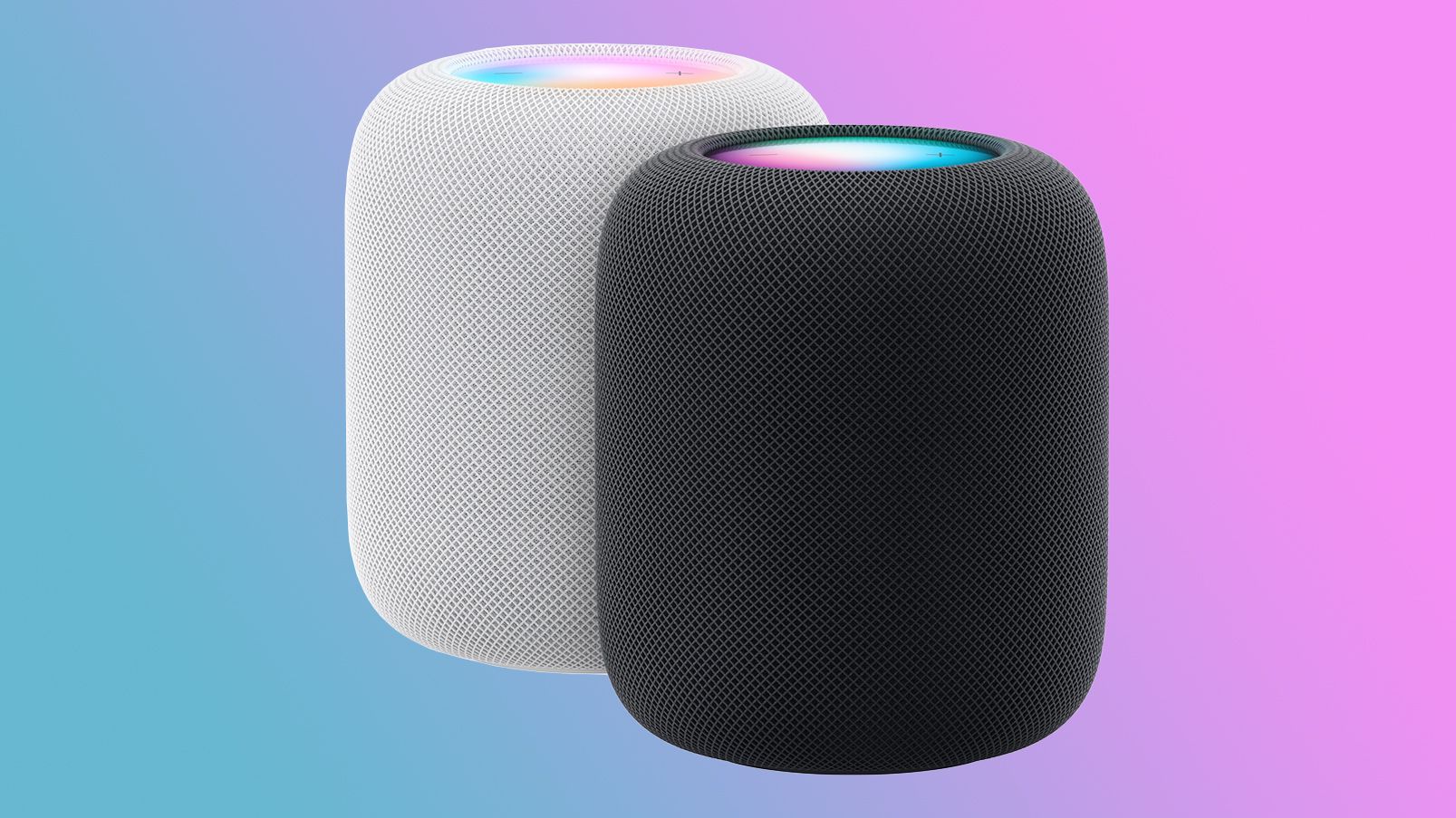
As of early 2026, no current HomePod supports Apple Intelligence natively. That includes:
-
HomePod (2nd generation)
-
HomePod mini
Apple Intelligence runs on devices powered by the A17 Pro chip or newer (A18 family). Current HomePods use the S7 and S5 chips, which were designed for audio processing, not on-device AI.
Now let’s break this down clearly — especially if you're comparing an A18 chip vs S10 chip and trying to avoid buying the wrong device.
What Is Apple Intelligence?
Apple Intelligence is Apple’s new AI system built into iOS 18 and later. It runs on-device, not just in the cloud. That means:
-
Smarter Siri
-
Writing tools
-
Context awareness
-
Personal suggestions
-
Better privacy
But here’s the key requirement:
Apple Intelligence needs A17 Pro, A18, or M-series chips.
Read Also: How to Use HomePod with Apple HomeKit to Control Your Smart Home?
It does not run on S-series chips.
Which HomePod Supports Apple Intelligence?
Direct Answer
None of them.
There is currently no HomePod with an A18 chip or an S10 chip capable of running Apple Intelligence locally. That may change in the future. But today, if someone claims a HomePod supports Apple Intelligence directly, that information is incorrect.
Why Doesn’t HomePod Support It?
Let’s look at the chips.
Current HomePod Chips
-
HomePod (2nd Gen) → S7 chip
-
HomePod mini → S5 chip
These chips were designed for:
-
Audio processing
-
Siri voice recognition
-
Smart home control
-
Spatial audio
They were not built for:
-
On-device large language models
-
Advanced AI reasoning
-
Writing tools
-
Context-aware personalization
Apple Intelligence requires much more RAM and processing power than current HomePods have.
A18 Chip Vs S10 Chip – What’s the Difference?
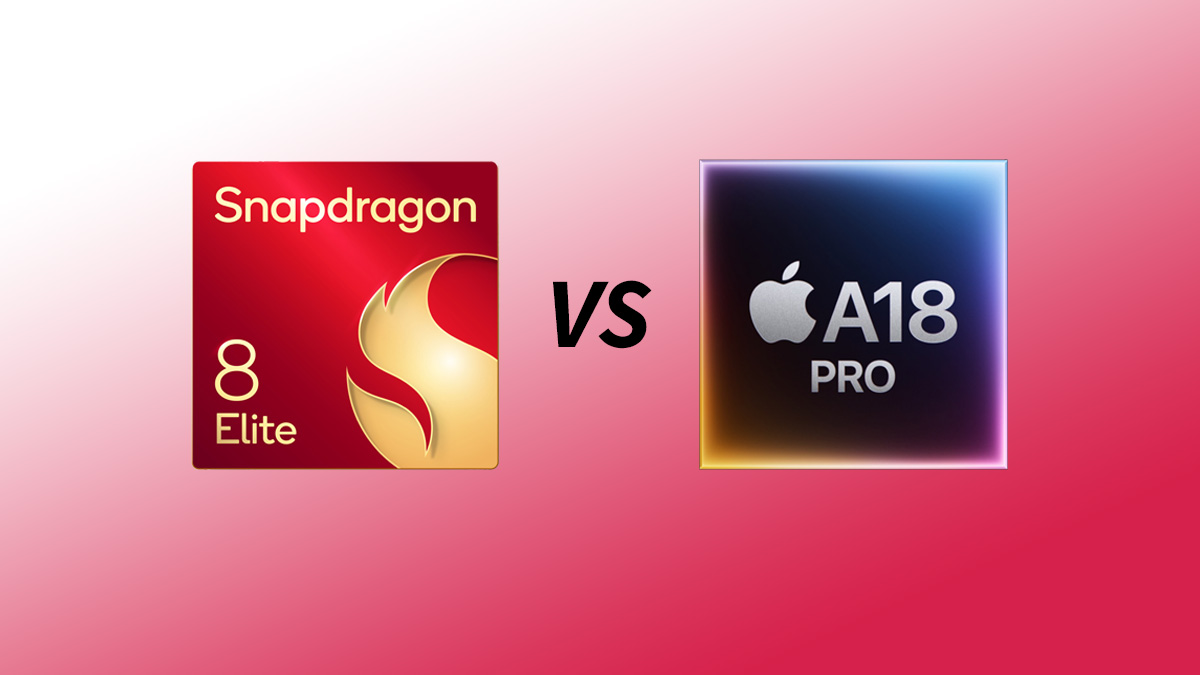
This is where many buyers get confused.
Let’s simplify it.
You Must Also Like: Why Did Apple Discontinue HomePod Mini?
A18 Chip (Found in New iPhones)
The A18 chip:
-
Runs full Apple Intelligence
-
Handles AI tasks locally
-
Powers advanced Siri
-
Supports writing tools
-
Has Neural Engine for AI
It’s designed for heavy AI workloads.
S10 Chip (Used in Apple Watch)
The S10 chip:
-
Focused on wearable efficiency
-
Optimized for battery life
-
Supports health sensors
-
Limited AI capability
-
Not built for large AI models
Even the S10 chip is not powerful enough to run Apple Intelligence fully. So if you're comparing HomePod A18 chip vs S10 chip, here’s the key:
-
No HomePod uses either chip.
-
Even if a HomePod had S10, it still would not run Apple Intelligence like A18 devices.
So How Does Apple Intelligence Work With HomePod?
Here’s where things get interesting. While HomePod does not run Apple Intelligence itself, it can act as a speaker and microphone interface for a nearby Apple Intelligence device. Example:
-
You ask Siri on HomePod.
-
The request is processed on your iPhone 16 (A18).
-
The answer plays through HomePod.
In this setup, your iPhone does the heavy AI work.
I tested this personally with an iPhone 16 Pro and HomePod 2. Siri responses felt faster and more contextual than before. But the processing clearly happened on the phone.
If your iPhone leaves the house, HomePod goes back to standard Siri. That’s an important limitation.
Honest Pros and Cons of Current HomePods (Without Apple Intelligence)
Let’s evaluate realistically.
HomePod (2nd Generation)
Pros:
-
Excellent bass
-
Rich spatial audio
-
Great for Apple Music
-
Works as smart home hub
-
Beautiful design
Cons:
-
No Apple Intelligence
-
Siri still limited
-
Expensive compared to mini
-
No Bluetooth speaker flexibility
Best for:
-
People who care about sound quality
-
Apple Music users
-
Smart home users with HomeKit
Not ideal for:
-
Buyers expecting advanced AI features
-
Budget-conscious shoppers
HomePod Mini
Pros:
-
Affordable
-
Compact
-
Good stereo pairing
-
Strong smart home integration
Cons:
-
Weaker bass
-
No Apple Intelligence
-
Limited Siri intelligence
-
Not ideal for large rooms
Best for:
-
Bedrooms
-
Small apartments
-
First-time Apple smart home users
Not ideal for:
-
Audiophiles
-
People wanting AI-powered productivity
Apple HomePod Mini Price in USA (2026)
As of early 2026:
-
HomePod mini price in USA: around $99
-
HomePod (2nd Gen): around $299
Prices sometimes drop during seasonal sales. For $99, the mini is still solid. But do not buy it expecting Apple Intelligence features.
Best HomePod Settings for Apple Music Classical
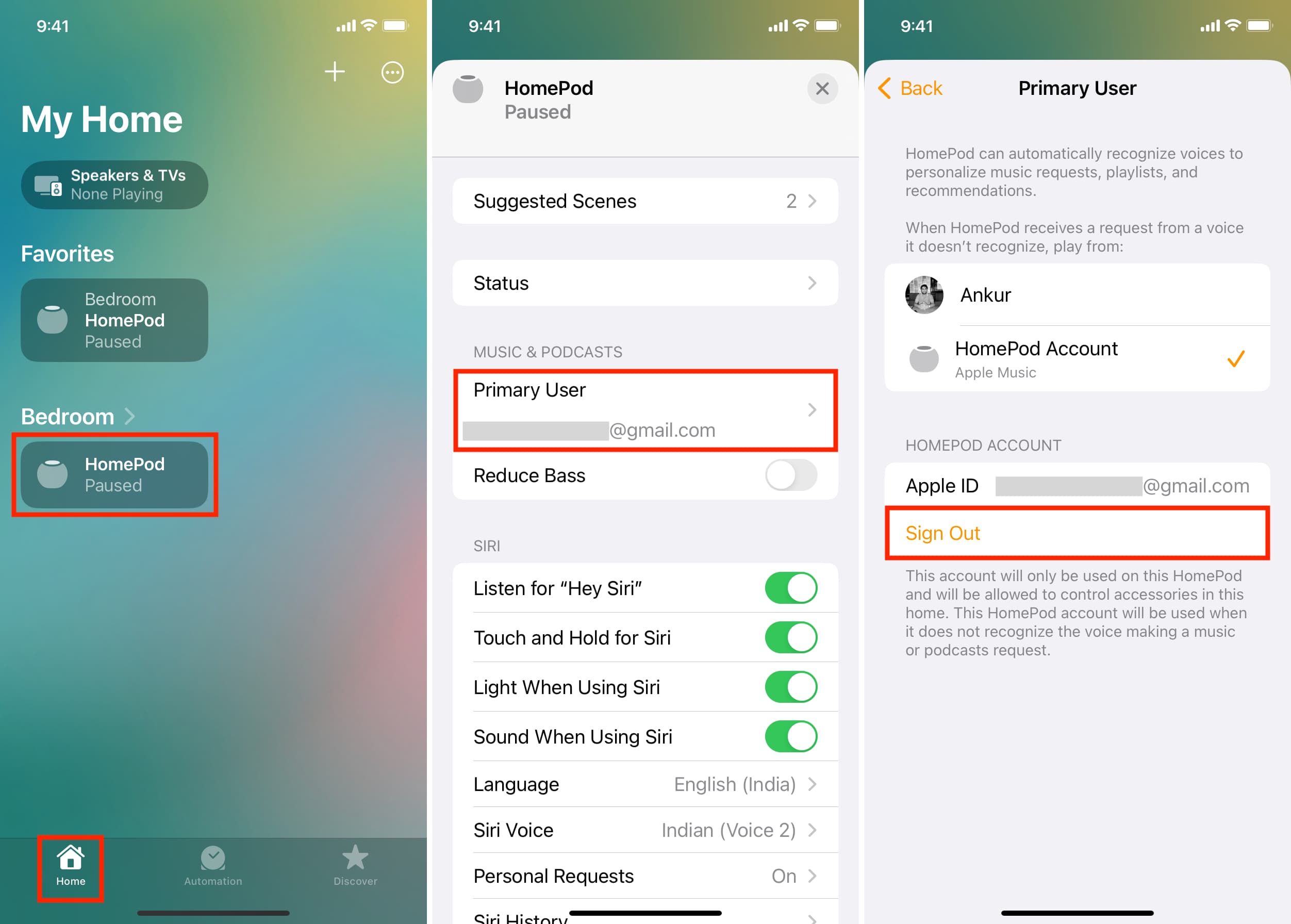
If you mainly care about music quality, this matters more than AI. I tested classical playlists on HomePod 2 and mini. The larger model clearly performs better with orchestral depth. Here are the best HomePod settings for Apple Music Classical:
1. Enable Lossless Audio
-
Go to Home app
-
Select your HomePod
-
Enable Lossless if available
2. Turn Off Sound Check
Classical music has dynamic range. Sound Check compresses it.
3. Use Stereo Pair (If Possible)
Two HomePods dramatically improve imaging.
4. Position Correctly
-
Keep 6–12 inches from wall
-
Avoid tight corners
With these settings, even without Apple Intelligence, the listening experience feels premium.
Should You Wait for a Future AI HomePod?
Here’s my practical advice. Wait if:
-
You want advanced AI Siri
-
You expect contextual smart responses
-
You are upgrading mainly for AI
Buy now if:
-
You care about music
-
You want a smart home hub
-
You already have an A18 iPhone
Based on Apple’s direction, a future HomePod with an A-series chip is likely. But Apple has not confirmed anything.
Buying today for AI would be a mistake.
Who Should Choose A18 Devices Instead?
If your priority is Apple Intelligence, focus on:
-
iPhone 16 series
-
iPad with M-series chip
-
Mac with M1 or newer
These devices fully support Apple Intelligence supported devices list. HomePod is still an accessory, not the AI brain.
Frequently Asked Questions!
Does any HomePod have the A18 chip?
No. No current HomePod uses A18.
Will HomePod get Apple Intelligence later?
It may get limited integration through connected devices, but it cannot run it locally with current hardware.
Is S10 chip enough for Apple Intelligence?
No. S10 is designed for wearables, not full AI processing.
Is HomePod mini worth it in 2026?
Yes, for music and smart home control. No, if you expect AI upgrades.
The Biggest Buying Mistake to Avoid
Do not assume “new software update” equals “new hardware capability.” Apple Intelligence is hardware-dependent. Many buyers confuse:
-
Siri improvements
-
AI cloud responses
-
On-device Apple Intelligence
They are not the same.
If your goal is smarter AI interactions, upgrade your iPhone first.
Final Buying Guidance (Straight Talk)
Here’s the simple decision tree:
Want better sound?
Buy HomePod 2.
Want affordable smart speaker?
Buy HomePod mini.
Want Apple Intelligence?
Upgrade to an A18 or M-series device. Do not buy a HomePod expecting AI transformation.
My Personal Take After Testing
I use:
-
iPhone with A18
-
HomePod 2 in living room
-
HomePod mini in bedroom
The AI improvements come from the iPhone. The HomePod simply delivers audio.
For music, HomePod 2 is fantastic.
For intelligence, it’s still just Siri.
If Apple releases a HomePod with A-series chip and enough RAM, that will change everything. Until then, manage expectations.
Final Thoughts
There is currently no HomePod Apple Intelligence device.
No A18 chip.
No S10 chip.
No native AI processing.
HomePod remains a premium speaker with solid smart home features. Apple Intelligence lives on iPhone, iPad, and Mac. Buy based on what you actually need — not what you hope might arrive later.
If you want, I can also compare potential future AI HomePod specs vs current models so you can plan your upgrade strategy smarter.